Payment Orchestration Explained: How It Works and Why It Matters in 2026
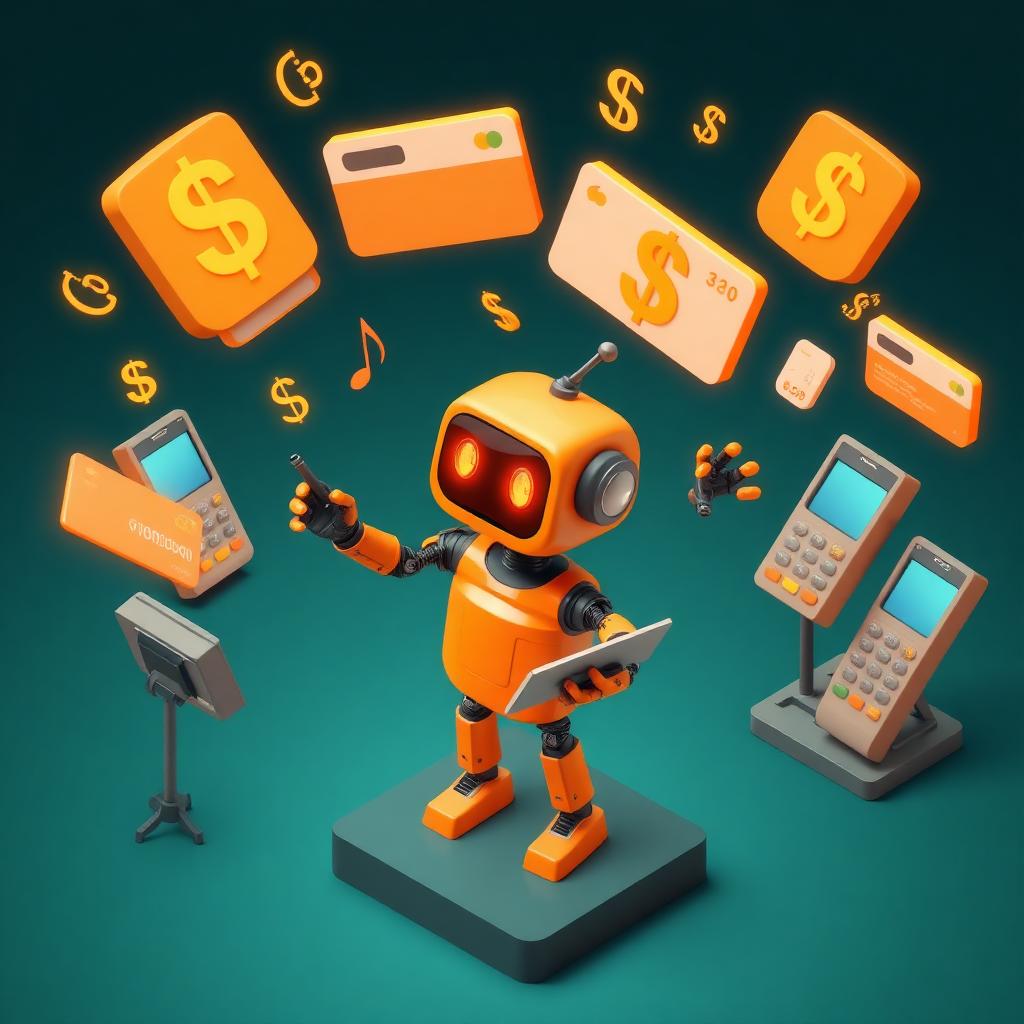
Most merchants don't fail at checkout because customers don't want to pay. They fail because a single processor declined a perfectly good transaction. Payment orchestration fixes that.
What Is Payment Orchestration?
Payment orchestration is a software layer that sits between your checkout and every payment provider you use. Instead of integrating each PSP, acquirer, wallet, and local payment method separately, you integrate once — and the orchestration layer routes each transaction to the best rail in real time.
Think of it as a traffic controller for money movement.
Gateway vs Orchestration: The Key Difference
- Gateway — connects you to one acquirer.
- Orchestration platform — sits above many gateways and acquirers, choosing which one to use for each transaction.
A gateway asks: "Can this card be charged?"
Orchestration asks: "Which of my 12 providers will charge this card with the highest success rate and the lowest fee, right now?"
The 5 Things an Orchestration Layer Actually Does
1. Smart Transaction Routing
Routes each payment based on:
- Card brand and issuing country
- Currency
- Transaction amount
- Real-time provider success rates
- Processing cost
2. Cascading and Failover
If the primary processor declines or times out, the transaction is automatically retried through a backup provider — invisibly, in under a second. This alone recovers 5–15% of would-be lost revenue.
3. Tokenization and Vaulting
Card details are stored in a network-agnostic vault. You can switch providers without re-collecting customer cards or losing recurring billing.
4. Unified Reconciliation
One reporting layer covering every provider — settlements, refunds, chargebacks, fees — instead of stitching together five dashboards.
5. Local Payment Method Coverage
Add iDEAL, Bancontact, PIX, Klarna, Apple Pay, or stablecoins without writing new integrations. The orchestrator handles the plumbing.
Why Merchants Are Adopting It in 2026
- Higher approval rates — multi-acquirer routing typically lifts auth rates by 3–8%.
- Lower processing costs — least-cost routing on debit and local schemes.
- No vendor lock-in — switch or add providers without re-platforming.
- Resilience — a single PSP outage no longer takes your checkout down.
- Faster geographic expansion — turn on local providers per market in days, not quarters.
Who Needs Orchestration?
Not every business needs it. Orchestration starts paying off when you tick at least one of these boxes:
- Processing volume above ~€1M / month
- Selling in 2+ countries or currencies
- Subscription or recurring billing
- Marketplaces and platforms with split payouts
- Industries with elevated decline rates (travel, gaming, digital goods)
What a Modern Orchestration Stack Looks Like
- Checkout layer — hosted fields, drop-in UI, or API
- Vault — PCI-compliant card storage
- Routing engine — rules + ML-driven decisions
- Provider connectors — PSPs, acquirers, APMs, wallets
- Risk and 3DS layer — fraud scoring and SCA exemptions
- Reporting and reconciliation — unified ledger across providers
Common Pitfalls
- Routing rules nobody owns — rules drift, performance decays. Assign an owner.
- Skipping the vault — if cards still live with each PSP, you don't have orchestration, you have a router.
- Ignoring 3DS friction — bad SCA handling cancels out routing gains.
- No A/B testing — measure approval rate per route, or you're guessing.
Where Bounce Money Fits
Bounce Money provides orchestration-ready infrastructure:
- Multi-acquirer payment routing
- Local payment method coverage across Europe
- Tokenization and network-agnostic vaulting
- Unified ledger and reporting
One integration. Every rail. Every market.
Bottom Line
Payment orchestration is no longer optional for serious merchants. In 2026, single-PSP setups leak revenue at every decline, every outage, and every new market.
Orchestrate, or watch competitors capture the transactions you lost.
Ready to Orchestrate Your Payments?
Bounce Money plugs into the providers, methods, and markets you need — through one integration.
Get in Touch